Understanding the skin better to improve effectiveness
The skin barrier is a specialized biological system that protects the body and regulates the hydration of our skin. In recent years, lipidomic analysis — that is, the analysis that allows us to understand and evaluate the barrier in order to better explore how it functions — has enabled a major step forward and a convergence between skin biology and advanced analytical technologies, opening new perspectives in dermatology and cosmetology.
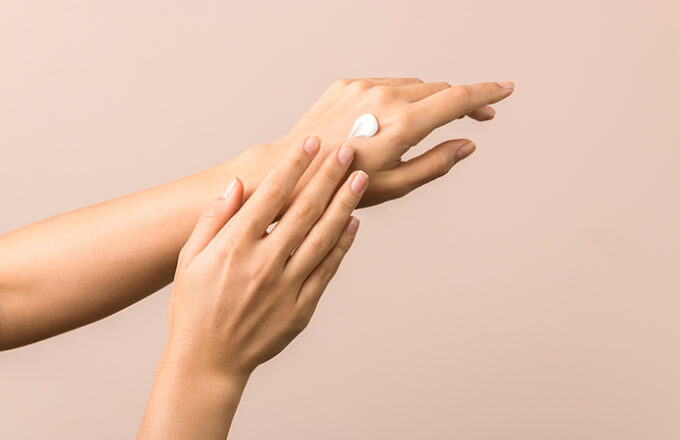
But what exactly is the skin barrier?
The skin’s barrier function is based on an organized structure of the stratum corneum, often described as a “brick-and-mortar” system made up of corneocytes (the “bricks”) and intercellular lipids (the “mortar”). This architecture is essential because, under normal conditions, it helps limit water loss, prevent the entrance of pathogens, and maintain the skin’s elasticity and integrity.
Why are skin lipids so important?
The lipid composition of the skin is not static; it varies depending on several factors such as age, body area, environmental conditions, and overall health status. Even minimal alterations in lipid structure can compromise the skin barrier. However, these changes are not always clinically visible in the early stages—this is precisely where lipidomic analysis comes into play, allowing the identification of individual lipid species, the quantification of their concentrations, and the analysis of chain length and degree of saturation.

What is skin lipidomic analysis?
Lipidomic analysis is an advanced technique that studies in detail the lipids present in the stratum corneum and in sebum. Through tape stripping, samples can be collected, surface lipids gathered, and pre- and post-treatment conditions compared. The lipids are then analyzed using instrumental techniques, enabling an objective and quantitative evaluation of the barrier function.

Lipidomics and barrier dysfunctions
One of the aims of lipidomic analysis is also to help identify skin conditions closely related to lipid alterations, including:
- Atopic dermatitis
- Acne
- Psoriasis
- Dry skin (xerosis)
In all these cases, lipidomics provides a molecular-level understanding of the condition, going beyond simple clinical observation.
So what does this mean?
The skin barrier is not just an anatomical structure, but a dynamic system regulated by an अत्यंत complex lipid balance. Today, lipidomic analysis makes it possible to decode this balance with unprecedented precision.
Integrating lipidomics into research and clinical practice means moving from a descriptive approach to one that is quantitative, predictive, and personalized — opening new frontiers in skin health management. Our experts can support you in defining the best approach for your product. In fact, we can design a tailored research and development plan, starting with safety testing for product use and progressing to targeted efficacy testing for dermocosmetics.
What are you waiting for?
Optimize your cosmetic products to enhance the skin health of your end consumers!