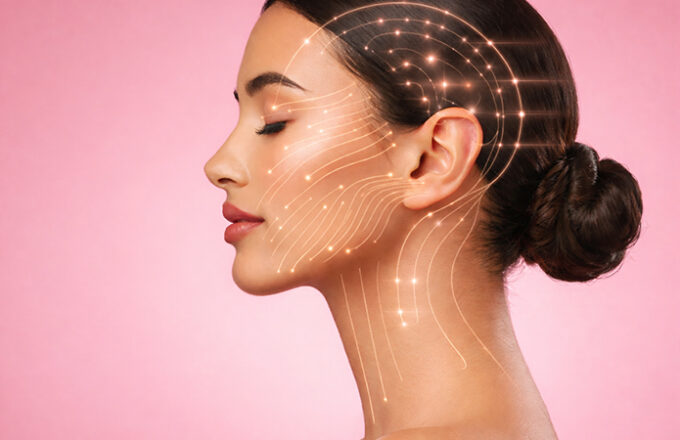
When cosmetics and neuroscience begin to speak the same language
In recent years, a new approach to skincare has been emerging: neurocosmetics, a discipline that studies the dialogue between the skin and the nervous system and how cosmetic products can influence not only the appearance of the skin, but also the perception of comfort and well-being.
The topic of neurocosmetics and how cosmetics can impact the sensory sphere of individuals is gaining increasing attention and relevance, especially when it comes to testing in the cosmetic and dermatological sectors.
Neurocosmetics arise from the integration of neuroscience, dermatology, and cosmetology, with the goal of studying how the skin and the nervous system communicate with each other and how this relationship can be modulated through different types of cosmetic products.
Skin–Brain Axis: the connection between skin and the nervous system
At the core of the neurocosmetic approach lies the concept of the skin–brain axis, the communication network between the skin and the brain. This connection explains why factors such as stress, emotions, and sensory stimuli can directly influence the condition of the skin. This concept represents one of the fundamental pillars of neurocosmetic research.
The skin is, in fact, one of the organs richest in nerve endings and sensory receptors, which allow it to perceive and transmit information to the central nervous system.
This communication network involves several biological elements such as neuropeptides, neurotransmitters, stress hormones, and even skin immune cells. Together they form the so-called neuro-immuno-cutaneous system, which regulates numerous skin processes including the inflammatory response, skin sensitivity, barrier function—an essential factor in cosmetic formulation—and also aging processes.
For this reason, psychophysical conditions such as chronic stress, fatigue, or emotional tension can also manifest at the skin level. Neurocosmetics aim precisely to act on this biological network through targeted active ingredients and formulations.
But how do neurocosmetics actually work?
Neurocosmetics are designed to interact with the neurosensory mechanisms of the skin. Unlike traditional cosmetics, which mainly act on the skin’s surface, neurocosmetics aim to modulate the signals that regulate comfort, stress, and the sensory perception of the skin.
One of the main objectives of neurocosmetics is to reduce the impact of skin stress. Stress can increase the production of mediators such as cortisol, which contribute to inflammation, alteration of the skin barrier, and premature skin aging.
Some neurocosmetic ingredients are designed to reduce these biological signals, helping to improve the skin’s resilience.
But how does the interaction with sensory receptors actually occur?
The skin is capable of perceiving various stimuli such as temperature, pressure, and chemical stimuli, and therefore can trigger sensations of freshness, relaxation, and skin comfort. The key point is that these sensations are not purely subjective—they can also influence the skin’s physiological responses by acting on the production of molecules typical of the nervous system, including serotonin, dopamine, and neuropeptides, thereby promoting skin well-being.

Key ingredients in neurocosmetics
Cosmetic research is identifying numerous ingredients with potential neurocosmetic activity that can, for example, help relax facial muscles, improve communication between skin cells, or reduce signs of aging.
There are also active ingredients that help the skin better manage environmental and oxidative stress because they are rich in polyphenols, flavonoids, and antioxidant compounds.
Finally, sensory actives and cosmetic aromatherapy can also play an important role in an individual’s sensory experience. Early tests and studies were often conducted on what could be defined as sensory cosmetics, since they involve the activation of a sense—for example fragrances or products with specific textures that can activate neurological circuits related to emotions, transforming skincare into a multisensory experience.
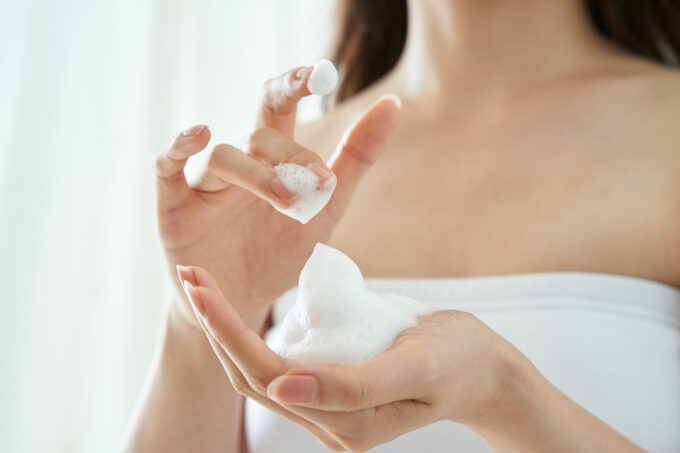
Neurocosmetics and well-being: skincare as a sensory experience
Another reason for the growing diffusion of neurocosmetics is the change in how people perceive skincare. Today, cosmetic routines are increasingly seen as a moment of personal well-being, not just an aesthetic treatment.
Neurocosmetic products therefore sit at the intersection of functional cosmetics, neuroscience, dermatology, and wellness.
In this context, neurocosmetics represent a new generation of products aimed not only at improving the appearance of the skin but also at enhancing the perception of comfort and well-being.
The Future of neurocosmetics
Research in neurocosmetics is still expanding, but the prospects for development are very promising. It is a topic that represents one of the most interesting evolutions in contemporary cosmetics.
Thanks to growing scientific understanding, research is opening new possibilities for developing products capable of interacting with the complex communication network between the skin and the nervous system.
How can we support you?
The skincare of the future is increasingly scientific, sensory and personalized. It is important for cosmetics, formulators, and brands to properly enter this new world.
Together with our experts, you will be able to structure a precise and personalized plan with a mix of in vitro tests and ad hoc clinical trials for your sensory cosmetic. It is important, in fact, that first of all the cosmetic is safe, with our support we can create a mix of safety tests necessary for placing on the market!
Safety tests can then be combined with a mix of specific and personalized efficacy tests, which, thanks also to our panel of volunteers, can certify specific efficacy and claims for the cosmetic in question, with the aim of creating a cutting-edge product while safeguarding aspects related to safety, efficacy, and quality!
Contact us now for a personalized consultation where we can help you lay the right foundation for your sensory cosmetics!